Front Range Passenger Rail and Joint Service
Front Range Passenger Rail and Joint Service
About Passenger Rail
Colorado is advancing a major effort to bring passenger rail to the northwest metro area and create an intercity rail corridor along the Front Range. After delays to RTD’s FasTracks Northwest Rail project, agencies are partnering on new solutions—most notably Front Range Passenger Rail (FRPR) and a collaborative starter phase known as Joint Service.
Together, these initiatives will improve mobility, expand travel options, and support a more connected and sustainable region.
Front Range Passenger Rail (FRPR)
FRPR is a planned intercity rail corridor that will connect communities from Fort Collins through Denver to Pueblo, with long-term ambitions to extend service to New Mexico and Wyoming. The project aims to provide reliable, efficient rail travel for work, recreation, and regional connectivity.
Colorado recently received $500,000 from the Federal Railroad Administration’s Corridor Identification and Development Program, unlocking opportunities for significant future federal funding.
Benefits of Intercity Rail
- Expands mobility and multimodal travel options
- Strengthens community and regional connections
- Supports economic vitality and transportation equity
- Advances environmental sustainability goals
What’s Happening Now – Service Development Plan
The FRPR District and CDOT are developing a Service Development Plan (SDP) for the Federal Railroad Administration. The SDP outlines how the service will operate and is essential for qualifying for major federal funding.
The SDP defines:
Route and station locations
Service schedules and frequency
Onboard amenities
Infrastructure needs
Costs, financing, and fares
Partnerships with railroads
Phasing and implementation strategies
Joint Service
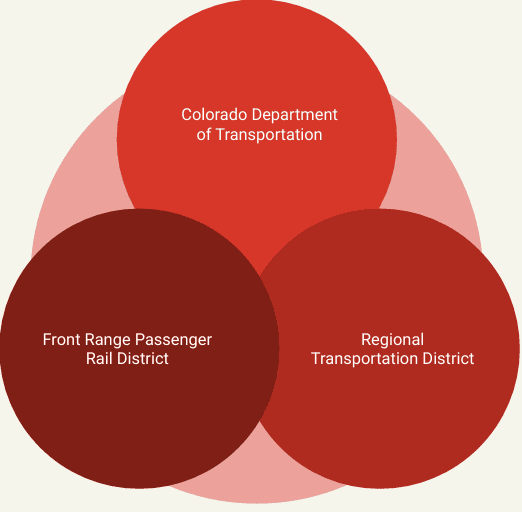
Joint Service is a partnership among Colorado Department of Transportation (CDOT), Colorado Transportation Investment Office (CTIO), the Regional Transportation District (RTD), and the Front Range Passenger Rail District (FRPRD) to launch initial passenger rail service between Denver Union Station and Longmont by 2029, with service continuing north to Fort Collins. The effort combines resources to overcome previous challenges with Northwest Rail and deliver a more cost-effective solution.
Hybrid Rail Model
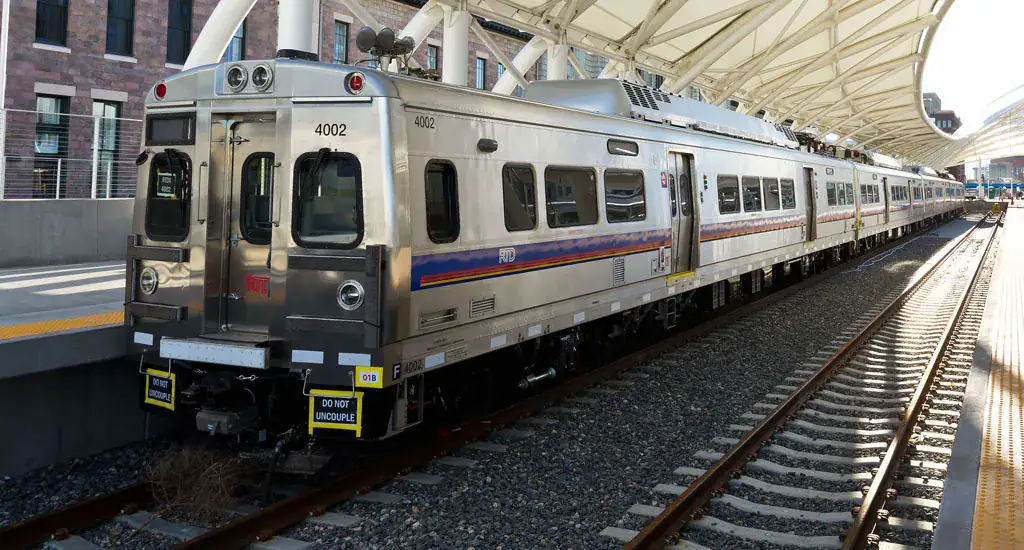
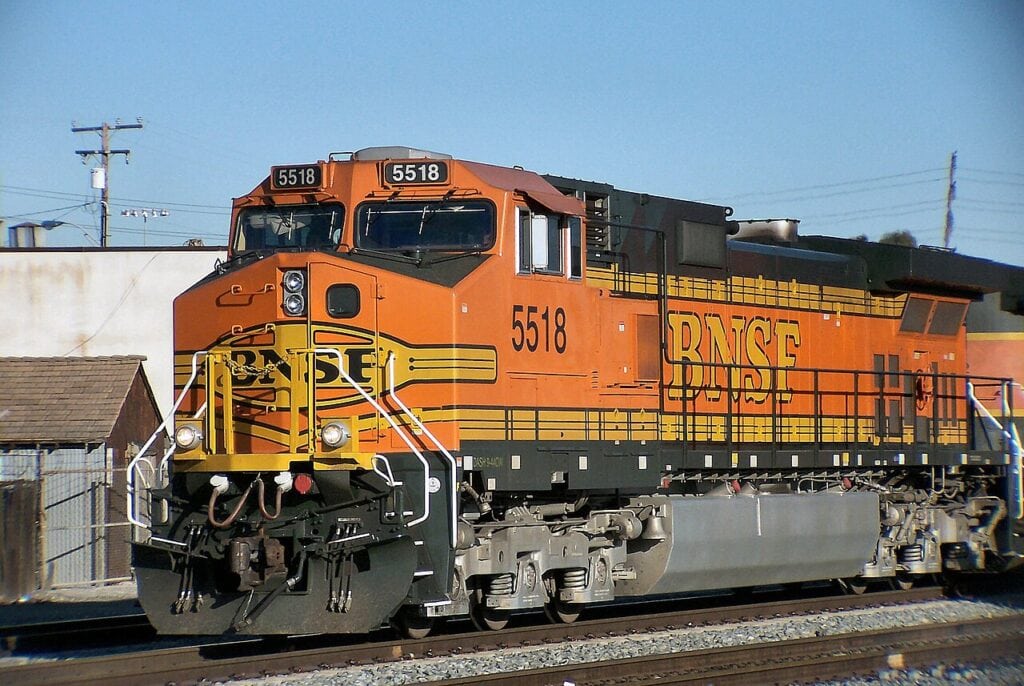
Joint Service introduces a hybrid rail model blending commuter-style stops with intercity speed and connectivity. A single operator would run trains from Denver to Longmont on RTD’s B-Line, then continue north to Fort Collins on BNSF tracks.
Key stops include:
Denver • Westminster • Broomfield • Louisville • Boulder • Longmont • Loveland • Fort Collins
The initial phase will operate three daily round-trip trains, with opportunities to expand service as funding and ridership grow. This phased approach lays the foundation for future Full Front Range Passenger Rail.
Funding
Latest Milestone
In June 2025, agency partners and Governor Jared Polis approved a first-of-its-kind interagency agreement [PDF] (IGA) required under SB24-184. The IGA authorizes partners to jointly pursue an access agreement with BNSF Railway—a critical step toward establishing passenger rail service between Denver and Fort Collins.